The Story Behind the Rider-Waite-Smith Tarot: When Two Visionaries Met
Most people know the RWS Tarot as the classic deck that shaped modern Tarot reading and inspired thousands of artists. But fewer know the story of the two people who conjured it to life: Arthur Edward Waite, the mystic scholar, and Pamela Colman Smith, the visionary artist who transformed his ideas into images that still speak across time.
Waite was a researcher, a symbolist, and a member of the Hermetic Order of the Golden Dawn. He believed Tarot wasn’t just a fortune‑telling tool but a map of spiritual experience. His goal was bold: create a deck that carried deeper meaning, clearer symbolism, and a more accessible visual language.
Pamela Colman Smith was the perfect partner. A gifted illustrator, storyteller, and stage designer, she had a rare ability to translate abstract ideas into living, breathing scenes. When Waite approached her with his concept, she didn’t just follow instructions. She interpreted them. She infused each card with emotion, movement, and humanity.
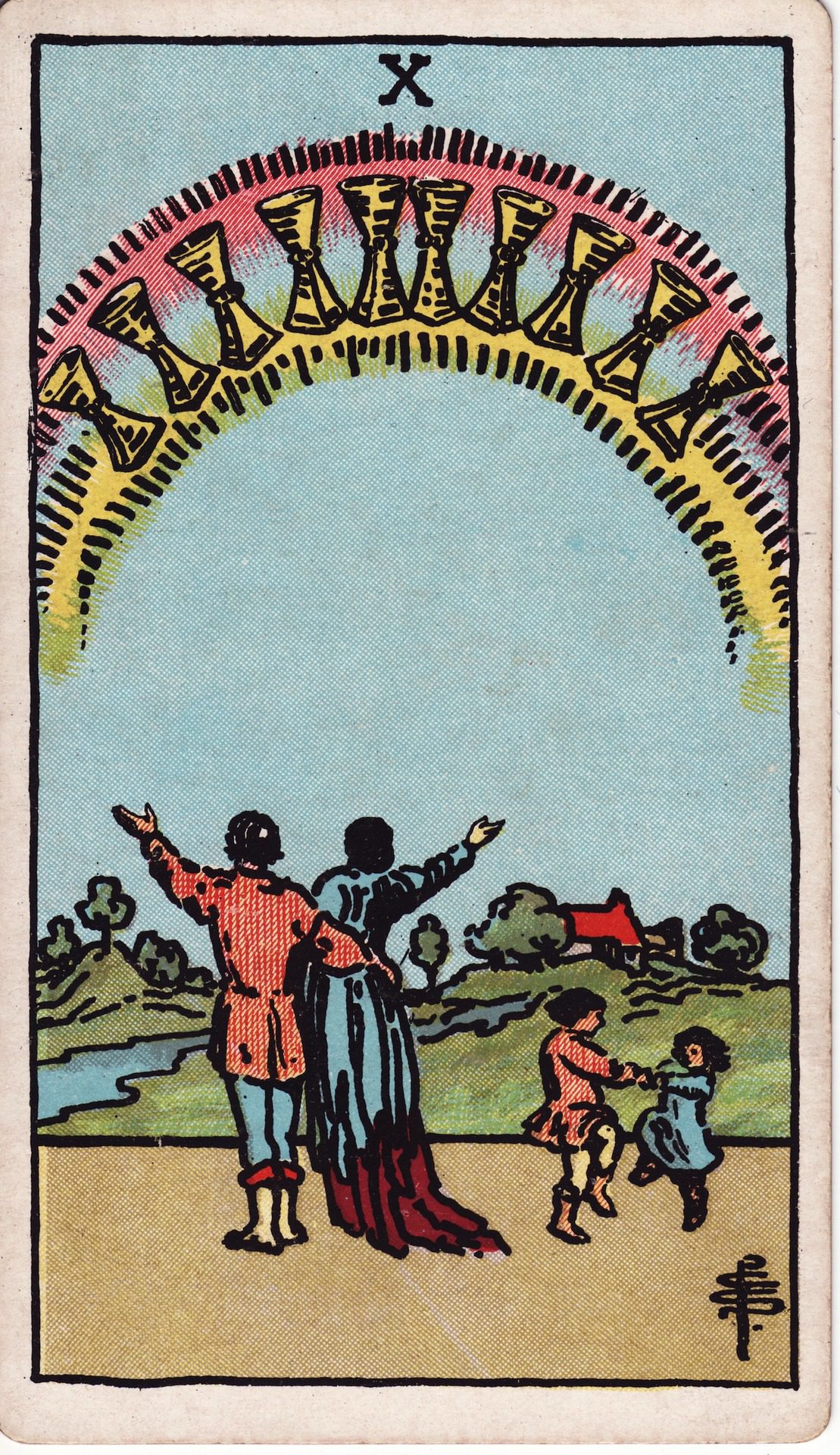
Pamela Colman Smith, a British-American illustrator, also a Golden Dawn initiate, who worked in theatrical and literary circles that included Bram Stoker and poet W. B. Yeats. Waite gave Smith a set of instructions and symbolic guidelines, but the specific visual execution — the exact posture of the Hanged Man, the particular arrangement of swords around the bound figure in the Eight of Swords, the cliff-edge composition of the Fool — was Smith’s own design work. It’s this decision that makes the RWS deck genuinely distinct from what came before it: Smith illustrated all 56 Minor Arcana cards with full narrative scenes, not just suit symbols.
Together, they created a deck that feels less like artwork and more like a doorway.
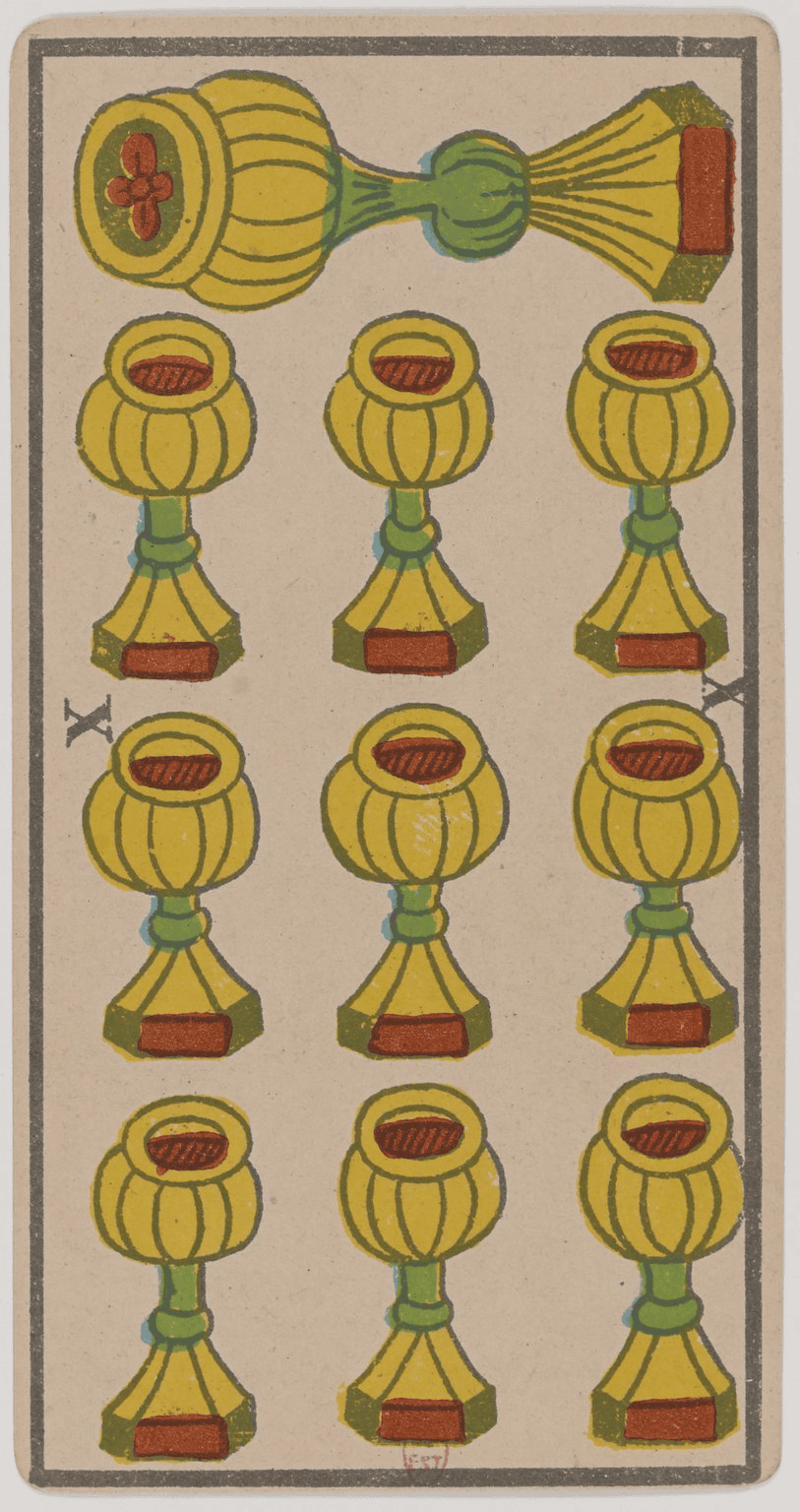
Waite provided the structure, the esoteric backbone, and the symbolic intentions. Pamela brought the soul. She added gestures, landscapes, clothing, posture, and tiny details that made the cards feel alive. Her Minor Arcana scenes — everyday people in everyday moments — were a complete innovation. Before her, most decks used simple pip cards. After her, Tarot changed forever.
Their collaboration was brief but brilliant. In 1909, the deck was published. Over a century later, it remains the most widely used Tarot in the world.
The Name Breakdown
The famous tarot deck gets its name from the people who created and published it:
- Rider: William Rider & Son, the London publishing company that first released the deck in 1909.
- Waite: Arthur Edward Waite, the occultist and scholar who designed the system and wrote the instructions.
- Smith: Pamela Colman Smith, the artist who illustrated every card in the deck. Many people now call it the Rider-Waite-Smith (RWS) deck to give proper credit to her artwork.
It was the first mainstream tarot deck to feature fully illustrated scenes on every minor card, rather than just repeating suit symbols, and it became the foundation for most modern tarot decks used today.